How Understanding Your Genetic Blueprint Can Reverse Disease

This episode will challenge the notion that genetics determines our health outcomes and shed light on the role of lifestyle factors in shaping our well-being. From debunking the claim that obesity is primarily genetic to uncovering genetic imbalances and finding effective solutions, this episode will leave you inspired and empowered to take control of your own health.

Kashif Khan is an author, speaker, visionary entrepreneur and investor. He is the Chief Executive Officer and Founder of The DNA Company, a digital health company that uses genetic insights to develop genomics-based health management applications that offer patients precision healthcare tailored to their unique biology. In his newest title, The DNA Way: Unlock the Secrets of Your Genes to Reverse Disease, Slow Aging, and Achieve Optimal Wellness, Kashif gives an action plan based on your unique genetic makeup to help you live your best life.

Download and listen to this episode here or find wherever you get podcasts.

Continue reading “How Understanding Your Genetic Blueprint Can Reverse Disease”

Korean Beef Bowls

It’s been a hot minute since I shared a new recipe. Since most of my favorite recipes are included in my newsletter and resources tab, I haven’t felt the need to create more or overshare. But I couldn’t help it with this one.

BRAIN bowls are my obsession. This is the way I can maximize nutrient density while also making sure that my food is tasty and filling. Eating is a sensory experience that bring safety to the nervous system. I want as many of my senses engaged in the process as possible. This recipe is a perfect example. Per usual, there are so many other ways you can adapt this recipe to your own needs.

Continue reading “Korean Beef Bowls”

PTSD Awareness Month Part Two: How I Supported My Body with CPTSD Symptoms

Last fall, after trying out a new mind-body therapy, my body was triggered into complex PTSD symptoms. These symptoms included: hypervigilance, disturbing flashbacks and nightmares, irrational fear, irritability, disconnect and distrust in my personal relationships, low self-worth and hopelessness, and an overall sense of waiting for the worst thing to happen.

Due to years of unprocessed, stored trauma, these symptoms were almost debilitating and lasted for close to eight months.

Because I know that trauma is not just in my head, and moving out of trauma involves engaging the whole body, I utilized a handful of tools to find regulation again.

Continue reading “PTSD Awareness Month Part Two: How I Supported My Body with CPTSD Symptoms”

PTSD Awareness Month Part One: How PTSD Affects Your Health

While most everyone will experience trauma at some point in their lives, not everyone who experiences trauma will experience PTSD (Post-Traumatic Stress Disorder) symptoms.

Complex PTSD (CPTSD) is caused by ongoing trauma that lasts for months or years, whereas PTSD is caused by a single traumatic event.

However, both create symptoms that negatively impact the body.

Symptoms of PTSD include:

  • Anxiety or depression
  • Intrusive thoughts or flashbacks
  • Feelings of low self-worth
  • Feelings of hypervigilance
  • Mood swings
  • Panic attacks
  • Feeling triggered “for no reason”
  • Easily startled or frightened
  • Zoning out or losing chunks of time
  • Guilt or shame
  • Irritability, outbursts, angry behavior
  • Trouble concentrating
  • Trouble feeling emotions, feeling numb

Both PTSD and CPTSD can cause a person to feel alone, damaged, worthless, and completely different from other people – so you may feel like nobody could ever understand you or what happened to you. This makes relationships and friendships extremely difficult, and isolation (or playing possum) is real.

The physical effects of PTSD are far-reaching and not limited to the following:

  • It alters gut bacteria and creates digestive issues, which may lead to inflammation or poor neurotransmitter function long-term.
  • It creates anxiety and hypervigilance that come out of seemingly nowhere. This may feel like chest pains, headaches, or stomachaches.
  • It increases resting pulse rate and blood pressure – or drops it too low. When the body is in a high cortisol, sympathetic dominant state, blood pressure and pulse rate can be higher, but over time, the low cortisol compensatory effect may lead to very low resting heart rate and pulse, which creates symptoms of dizziness or vertigo.
  • It creates restless sleep and impacts cortisol awakening response, leading to blood sugar imbalances.
  • It can make you crave quick-fueling foods like processed carbs, sugar, or drugs/alcohol for numbing.
  • It can cause numbness and tingling throughout the body, dizziness, or out-of-body feelings.

If you are experiencing or have experienced these symptoms, it’s not all in your head and you’re not alone. Finding treatment for the root cause is draining. BUT. There is hope. I’ll share more on that in part two.

Unlocking the Biology of Trauma

Dr. Aimie Apigian, MD, MS, MPH is the leading medical expert on how life experiences get stored in the body and restoring the body to its best state of health through her signature model and methodology, The Biology of Trauma™. She is a double board-certified medical physician in Preventive Medicine and Addiction Medicine. She is also a Certified Functional Medicine physician and has training and certifications specifically in neuro-autoimmunity, nutrition, and genetics for addictions, mental health, and mood and behavioral disorders.

Dr. Aimie offers science-based solutions on how to rewire the nervous system with The Biology of Trauma. Accelerating the healing journey through recovery to resilience, presence, and aliveness. Dr. Aimie is the founder and CEO of Trauma Healing Accelerated, offering her foundational online course: “The 21 Day Journey to Calm Aliveness”, which is an experiential journey into the nervous system that is open to all as well as her 8 module certification course for practitioners, “Biology of Trauma” that teaches the protocols of addressing The Biology of Trauma on the different systems of the body. 

Download and listen to this episode here or find wherever you get podcasts.

Continue reading “Unlocking the Biology of Trauma”

What You Should Know About the Psychedelic Renaissance

Matt Zemon is the Co-Founder of HAPPŸŸ, a mental wellness company that specializes in psychedelic-assisted ketamine therapy along with digital therapeutics that promote life-transforming outcomes. As an entrepreneur in the well-being sector, Matt was the co-founder and Chief Strategy Officer of Psychable, an online community connecting people who would like to explore the healing power of psychedelics with a network of practitioners and psychedelic-based treatments, and the co-founder of Take2Minutes, a nonprofit dedicated to helping individuals improve their mental health and well-being.

Matt is the author of Psychedelics for Everyone: A Beginner’s Guide to these Powerful Medicines for Anxiety, Depression, Addiction, PTSD, and Expanding Consciousness and received his Master of Science in Psychology and Neuroscience of Mental Health with honors from King’s College London. In this episode, we take on the slightly controversial topic of psychedelics for mental health, and how they’re being used today when all other options fail.

Download and listen to this episode here, or find wherever you get podcasts.

Continue reading “What You Should Know About the Psychedelic Renaissance”

How Intergenerational Trauma Impacts Physical Health, Eating Disorders, and Substance Abuse

Dr. Carolyn Coker Ross is an internationally known author, speaker, expert, and pioneer of intergenerational trauma’s effect on one’s body, brain, and beliefs. A graduate of Andrew Weil’s Fellowship Program in Integrative Medicine, Dr. Ross is the CEO of The Anchor Program™, online coaching for food and body image issues including binge eating, substance use disorder, and emotional stress-eating.

The former head of the eating disorder program at internationally renowned Sierra Tucson, Dr. Ross is currently a consultant for United States treatment centers that want to include her unique integrative medicine approach to help clients recovering from eating disorders and substance use disorders. She is the author of three books, the most recent of which is The Food Addiction Recovery Workbook.

Download and listen to this episode here, or find wherever you get podcasts.

Continue reading “How Intergenerational Trauma Impacts Physical Health, Eating Disorders, and Substance Abuse”

Transform Your Health Using the Power of Awe

How can engaging one emotion reduce depression by 24% in 21 days? Tune in to this awe-inspiring episode to find out! I loved this interview and was completely mind blown by the research being done.

Jake Eagle, LPC, is a psychotherapist, mindfulness instructor, fellow/member/trainer of the International Association of Neuro‑Linguistic Programming. After thirty years in private practice, he now works part-time as a meta-therapist, working with people who want to go beyond the bounds of traditional therapy. He is co author of the new book, THE POWER OF AWE: Overcome Burnout & Anxiety, Ease Chronic Pain, Find Clarity & Purpose—In Less Than 1 Minute Per Day

Download and listen here or find wherever you get podcasts.

Continue reading “Transform Your Health Using the Power of Awe”

When the Christmas Season Doesn’t Go as Expected

Do you ever have the feeling you just don’t do holidays as well as other people? Or maybe the holiday season hasn’t gone as you wanted it to? 

We’ve had a difficult fall, as I’ve been dealing with some heavy past trauma I didn’t know I had. My Christmas spirit has been minimal. I don’t decorate like crazy anyway, but this year was half-hearted at best, featuring an old artificial tree with busted lights, a couple nativity sets.

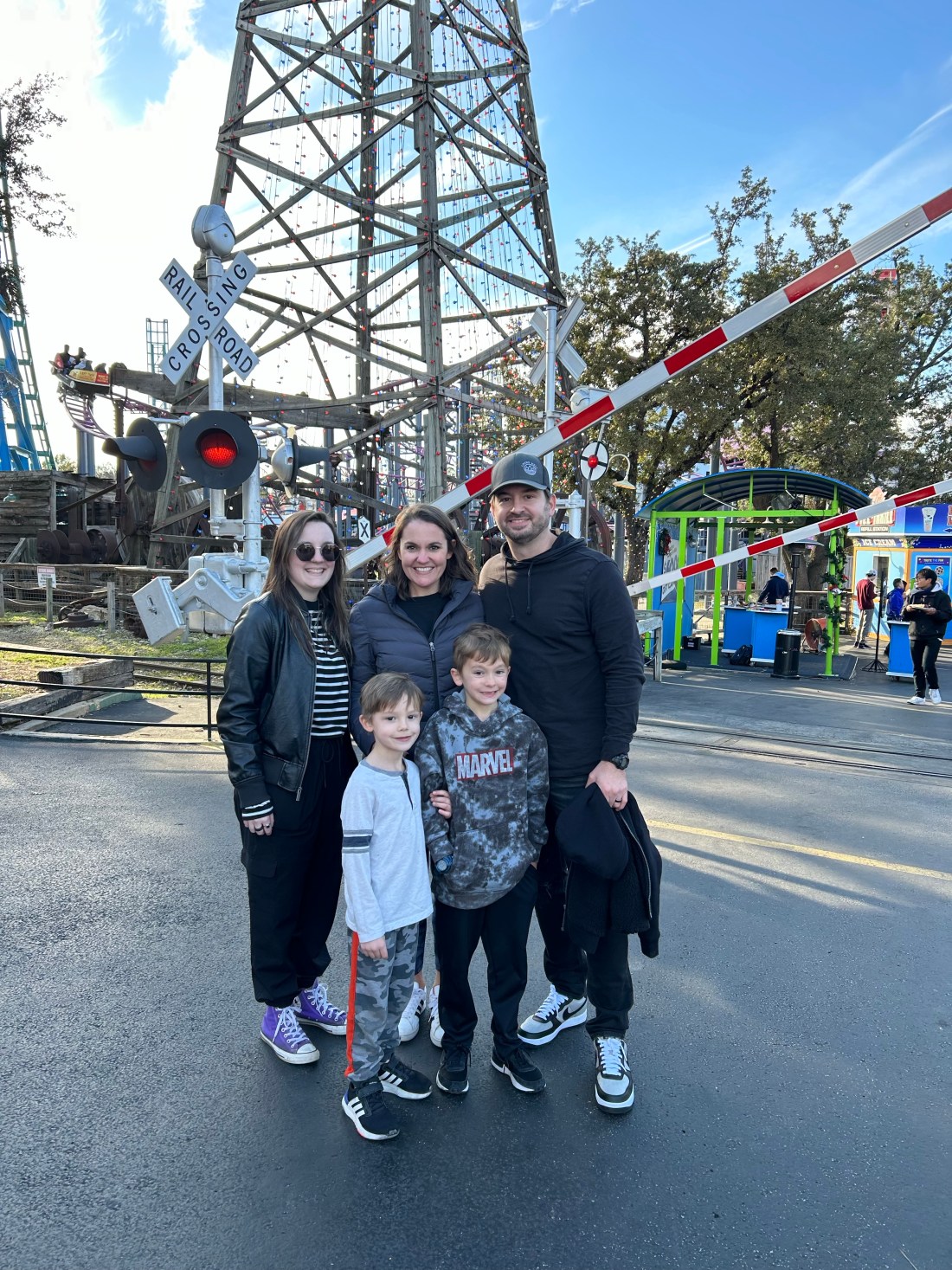
I ordered a few presents on Amazon when I was sick in bed with the flu, and we took our kids to Six Flags for an experiential gift, instead of loading them up with more toys they won’t play with more than once.

I waste a lot of time scrolling social media. I look at other people’s decoration pictures, the baking reels, the cute creative reels, the smiling kids in their matching Christmas clothes… and I worry my kids are missing out on something this season. We didn’t do enough. They’ll resent us.

But then I offer myself a different perspective. Our family has spent many evenings in the last month cuddled up on the couch together, watching The Chosen. Richard and I have spent numerous nights, practically every night we can, connecting and sharing – often with hard conversations, but mostly making memories I will treasure forever.

See, I might have made a mistake sometime in September. On a morning walk, I asked God to show me His love in a new way. And boy, has he delivered. I’ve seen his love through the raging tornado of my past trauma, because out of my brokenness comes his promised wholeness. I’ve seen his love through friends who have checked on me and offered a listening ear. I’ve seen his love through the unconditional love and support of my husband. I’ve seen his love through the three very chill, very laid back kids I’ve been gifted.

And I see his love through the gift of Jesus.

As Paul David Tripp writes in his Christmas devotional, Come Let Us Adore Him, “What sense would it make for God to go to the extent of sending his Son to be born for our sake, and then abandon us along the way? Since God was willing to make such a huge investment in his grace, isn’t it logical to believe he will continue to invest in his grace until that grace has finished its work?”

It’s okay that I don’t have an Instagram-worthy living room. It’s okay that my kids didn’t decorate Christmas cookies, that they didn’t see lights, that they didn’t get the usual amount of cousin and grandparent time this year. It’s even okay that they got more screen time than I’d like (it pains me to say that one out loud).

What matters to me is the lesson I’m learning… THAT is the most important legacy I can pass on to my kids, something they can hold on to through any of life’s plot twists.

His grace and unfailing lovingkindness don’t run out. There is no limit. I haven’t reached capacity. I continue to pull from that well of living water, the kind that never runs out, because he can’t be anything other than who he is – a God who sees, who rescues, and who creates life from death. Over and over again. He did it for me. He can do it for you.

Oh, come let us adore Him indeed! 

Merry Christmas, 

Erin

How to Let Go of Trapped Emotions Using Emotion Code

When I recorded this episode, I hadn’t yet experienced emotion code for myself. It was still a new concept, still sounded slightly “woo woo,” and I needed more information. Even though my nurse practitioner recommended it to me during my well woman exam when I mentioned having past trauma, I brushed it aside. I can be skeptical when I want to be.

Coincidentally, a week before my interview, a friend of mine (who I very much trust when it comes to health) went to a local Emotion Code practitioner and had an incredible experience. So after this interview I decided to try it out for myself and scheduled a session with a local emotion code practitioner, Doni Rivers.

I was blown away by what was uncovered during my emotion code session. Within minutes, Doni had targeted two of my most impactful traumas in my life, and identified emotions I experienced during those traumas. I consider myself extremely in touch with my body at this point, after years of creating a partnership for healing. As soon as she named one in particular, I felt the energy of the stored emotions welling up in my body. I immediately started crying, shaking, overcome with what had long been abandoned in my body. That experience was unbelievable, but even more incredible was what happened in the following hours and days.

Continue reading “How to Let Go of Trapped Emotions Using Emotion Code”